Compliance management is the process organizations use to identify, monitor and address legal, regulatory and policy obligations — ensuring every part of the business operates within required boundaries.
Whether your organization is large or small, compliance could become a real headache, but the cost of non-compliance is not an option.
According to GlobalScape, one single instance of non-compliance costs organizations an average of $4 million. As regulations evolve and new requirements emerge across industries and geographies, the scope of what organizations must comply with continues to grow. Ensuring you meet all criteria set out by changing governance and restrictions and then remaining compliant requires effective compliance management.
Read on to find out how your role as a human resources (HR) and employee relations (ER) manager can be optimized to facilitate your organization’s overall compliance.
Key Takeaways: Guide to Compliance Management
- Compliance management is the process of ensuring an organization meets its legal, regulatory and policy obligations — and HR is at the center of making it work.
- A strong GRC framework (Governance, Risk and Compliance) provides the structure organizations need to manage compliance consistently across departments.
- HR and ER play a central role in compliance management, from policy development and training to investigation and recordkeeping.
- A compliance management plan helps organizations identify risks, assign responsibilities and maintain readiness through regular audits.
- Purpose-built compliance management software reduces administrative burden and helps teams track obligations, flag risks and document outcomes in one place.

What is Compliance Management?
By definition, compliance management is the process of managing an organization’s compliance with laws, regulations, and contractual obligations. Compliance management ensures that your company is not violating any legal or regulatory obligation. It also improves organizational performance by establishing a system of rules and procedures that are followed in order to maintain a healthy work environment.
The function of compliance management is important to managers as it helps to identify the risks that could potentially cause an organization to violate any laws, rules or regulations. The risk could be in the form of an event or action that may have a negative effect on the organization’s reputation.
The Role of HR and Employee Relations in Compliance Management
Compliance management and employee relations should be very intertwined. Compliance managers are responsible for making sure that all employees know what the company policies are and how they should follow them. They make sure that there is an updated list of all regulations and laws in place so they can answer any questions from employees about these topics.
For clarity, the role of HR in compliance management is to ensure that the company is compliant with all the legal requirements. This includes complying with employment laws, privacy and data protection laws as well as other regulations such as tax laws. A major job function for HR is often providing training to managers and supervisors on how to manage compliance issues within their departments and then to employees on how to comply with regulatory standards.
ER and HR play their role as part of the overall risk management team made up of a compliance manager, risk manager, and employees with relevant skill sets. The role of the risk management team is to identify and manage risks that may have an impact on the company’s financial performance. This team can be seen as the eyes and ears of the company. They’re always looking for potential threats to their business so they can take action to mitigate them.
The GRC Framework and Compliance Management
It’s optimal to point out that compliance management is very much interwoven with the fundamentals of Governance, Regulation and Compliance (GRC). A strong GRC framework is an essential component of compliance management as it helps organizations ensure that they are constructively following the laws and regulations that govern their industry.
What is a Compliance Management Plan?
An organization’s compliance program should be designed to identify risks, assess them, and reduce them through a combination of measures such as policies, procedures, and training. You can begin to implement all of the above by creating a compliance management plan, a systematic approach for identifying potential risks and evaluating their magnitude. Your plan also includes the internal audit process which is an independent examination of an organization’s compliance with its own policies and procedures.
Benefits of a Compliance Management Plan
The benefits of effective compliance management through a strong compliance management plan include:
- Lowering operational costs by reducing risk exposure – both financial and reputational
- Protecting employees from personal liability for non-compliance
- Monitoring of the employee population with operational requirements to avoid Reductions in Force.
- Improving corporate reputation with stakeholders
- Achieving better customer satisfaction through enhanced transparency in operations
- Increasing shareholder value by building trust in the company’s commitment to good governance
- Enabling early detection of compliance issues before they escalate into violations, legal action or reputational damage
Common Challenges in Compliance Management
Some challenges that you might face when creating a compliance management plan are:
- Lack of time: Not having enough time is one of the biggest challenges that organizations face when it comes to compliance. Because managers have so many other tasks on their plate that they need to complete on a daily basis, strengthening the organization’s compliance plan continues to get pushed back.
- Lack of resources: Another challenge is that organizations often don’t have enough resources — or the right kind of resources —to ensure a successful compliance management plan. This can be due to budget constraints or simply not having enough people with the right skill sets in-house.
- Complexity: Compliance can be very complex and there are many rules and regulations across industries and geographical areas. Actively keeping up to date with every change and adjusting it within your plan can be enough to take up multiple full-time jobs let alone one aspect of a busy HR or ER manager.
- Keeping pace with regulatory change: Employment laws and regulations are updated frequently at federal, state and local levels. For Enterprise teams managing employees across multiple jurisdictions, tracking and implementing these changes consistently is one of the most persistent compliance challenges.
What is a Compliance Audit?
You can guarantee that your compliance management plan is ready or continues to prevent non-compliance by routinely testing your organization’s observance of regulations.
A compliance audit is a process by which an organization’s activities are examined to determine if they are in adherence with the law. There are many types of audits that can be conducted, such as a financial audit, operational audit, or environmental audit. However, compliance audits typically focus on whether an organization’s practices and procedures comply with federal, state, and local laws.
For example, a software company may need to perform a compliance audit on their software products before releasing them for sale to ensure that they do not violate any copyright laws or regulations. A company may also need a compliance audit after purchasing another company in order to ensure that it does not violate any antitrust regulations.
Managing Compliance: A Step-by-Step Checklist
Incorporating your compliance processes and procedures into your organization’s strategy is made simpler with a compliance management plan checklist. This checklist outlines the steps in developing a compliance management plan which includes identifying the company’s risk areas, defining processes to mitigate these risks and setting up a system to monitor how well your company meets its obligations.
- Conduct a risk assessment: Identify applicable laws, regulations and areas of greatest exposure
- Define roles and responsibilities: Assign clear ownership across HR, legal, compliance and management
- Develop policies and procedures: Document standards employees must follow and ensure they are accessible
- Train employees and managers: Educate staff on compliance requirements and their specific responsibilities
- Implement a monitoring and auditing process: Regularly review adherence and conduct internal audits
- Establish a reporting mechanism: Create a channel for employees to raise compliance concerns
- Review and update regularly: Revisit the plan as regulations change and audit findings emerge
Compliance Management Software and Tools
Your compliance management plan checklist doesn’t need to be completely managed by hand. Incorporating management software can be an excellent tool for employee relations. Compliance management software is designed to help organizations manage the risks associated with noncompliance.
Some features of management software include:
- Documenting and recording process steps.
- Monitoring for regulatory changes, risks and vulnerabilities.
- Providing real-time alerts for compliance violations.
- Tracking and monitoring employee activities.
- Managing records, logs and reports.
For Enterprise HR and ER teams, the right compliance management solution centralizes documentation, automates monitoring and integrates directly with case management workflows — reducing the administrative burden of keeping pace with regulatory change.
Simplify Compliance Management With HR Acuity
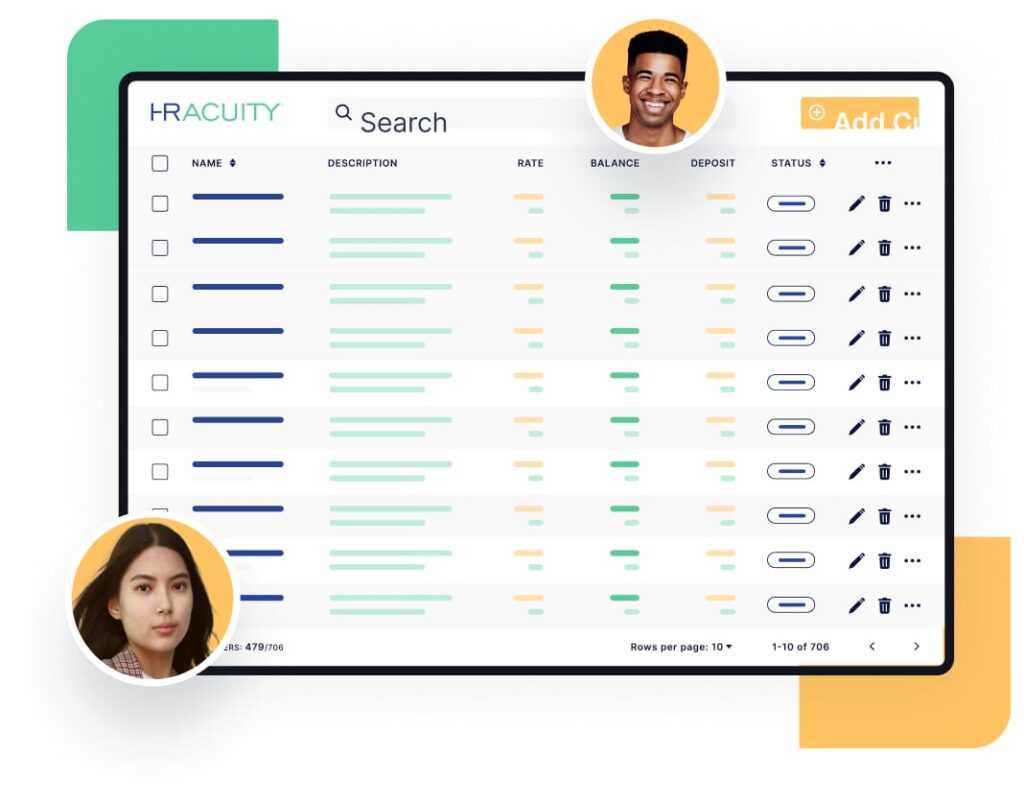
HR Acuity’s compliance management software helps organizations reduce risk, resolve issues faster and stay on top of their obligations — without the administrative burden of managing it all manually.
Ready to strengthen your compliance management program? Book a demo to see how HR Acuity helps Enterprise teams track, manage and resolve compliance obligations in one place.