
Preventing harassment in the workplace means taking deliberate action to stop harmful behavior before it becomes normalized or escalates into formal complaints. It requires clear expectations, consistent follow-through and systems that reinforce respect as a daily standard. For employee relations and HR professionals, understanding how to prevent harassment in the workplace is foundational to protecting employees and the organization as a whole. It can make or break the way your employees feel about where they work…and it’s easy to see why.
Organizations that focus on preventing harassment at work reduce legal exposure, limit reputational risk and create environments where employees feel safe raising concerns. On the contrary, organizations that fail to do so face higher rates of turnover, disengagement and litigation. The stakes are high, and there’s no use in pretending otherwise. The difference lies in whether harassment prevention is treated as a proactive strategy or a reactive obligation.
In this guide, we’ll cover how to prevent harassment at work, how to recognize early warning signs and how to respond effectively when concerns arise…so you can build a culture grounded in accountability and trust. Let’s dive in.
Key Takeaways: How to Prevent Workplace Harassment
- Prevention must be proactive, not reactive: Organizations that treat harassment prevention as an ongoing strategy, rather than a response to complaints, are better positioned to protect employees, reduce risk and build trust.
- Policies only work when they’re enforced consistently: Clear anti-harassment policies lose credibility when enforcement varies by role or seniority. Accountability at every level is essential to preventing harassment from becoming normalized.
- Culture and leadership behavior set the tone: Inclusive, respectful workplaces don’t happen by accident. Leaders play a critical role by modeling expectations and addressing inappropriate behavior early…silence can signal tolerance.
- Safe, trusted reporting channels are essential for early intervention: Employees are more likely to speak up when they believe reporting is confidential, fair and free from retaliation. Anonymous reporting helps surface concerns before they escalate.
How to Prevent Harassment in the Workplace
Knowing how to prevent harassment at work requires more than a policy or annual training. Harassment often persists when early warning signs are ignored, reporting feels unsafe or leaders don’t act consistently. Preventing harassment at work means building systems that reinforce expectations, encourage early reporting and ensure accountability at every level. The strategies below outline how to avoid harassment in the workplace by addressing both behavior and the conditions that allow it to continue.
Let’s dive in.
Establish Clear and Enforced Anti-Harassment Policies
First, it’s important to understand that there are different types of workplace harassment. That’s where policy comes into play. Clear policies define what harassment looks like, how concerns should be reported and how investigations are handled. Most importantly, policies must be enforced consistently regardless of role or seniority. When employees see uneven enforcement, trust erodes and prevention efforts lose credibility. Think about it: What does it say about your organization if senior leaders aren’t held accountable for their actions but junior members of the team are?
Build an Inclusive and Respectful Workplace Culture
Culture plays a central role in how to prevent harassment in the workplace. Inclusive environments set expectations for respectful communication and behavior across teams. Leaders must model these standards daily, as silence or inaction can signal tolerance of inappropriate conduct. To set this expectation, consider ways that you can prioritize and improve diversity, equity and inclusion in your workplace.
Provide Ongoing, Practical Training
Training should move beyond compliance requirements and focus on real-world behavior. Effective programs help employees recognize subtle forms of harassment, understand bystander responsibilities and know how to raise concerns early. (This also may be legally required in your state.) Regular education reinforces preventing harassment at work as an ongoing responsibility, not a one-time event.
Create Safe and Trusted Reporting Channels
What’s the value of a reporting channel if employees don’t trust it? People are far more likely to speak up when they believe the process is fair, supportive and protects them from retaliation.
Employees choose not to report harassment for many reasons, from fear of repercussions to doubts that their concerns will be taken seriously. If you want employees to come forward, you have to show them that it’s safe to do so and that their voices matter. The first way to do this is to offer an anonymous reporting hotline.
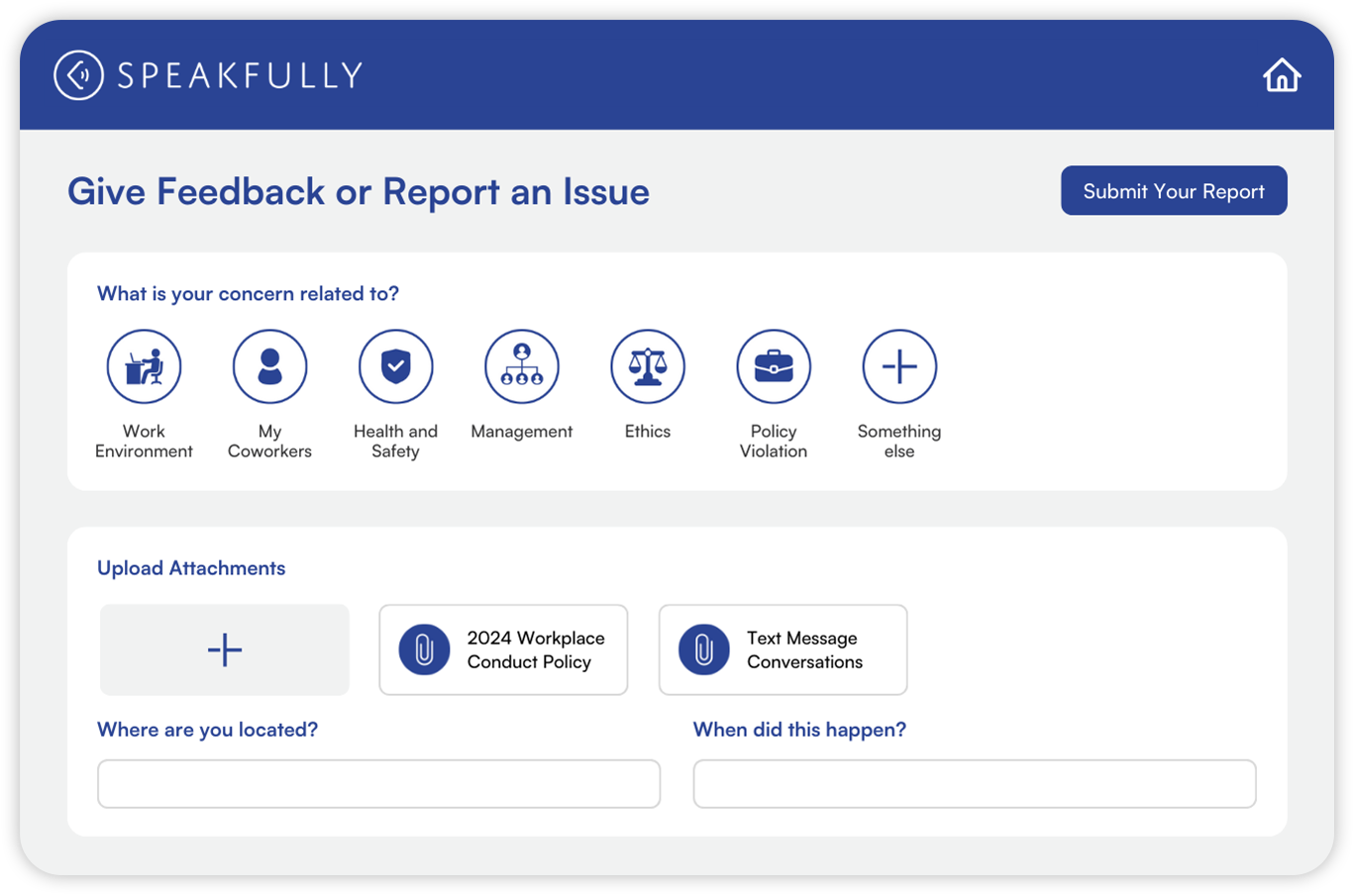
Providing confidential and anonymous reporting options through a centralized reporting platform helps surface issues earlier and more consistently. And as a bonus, when your reporting platform feeds directly into your HR case management platform, concerns can be addressed faster, more thoughtfully and with greater care for everyone involved. And that signals to your employees that you take their concerns seriously.
Investigate Promptly and Hold People Accountable
Investigations are a critical part of prevention, not just response. Timely and fair investigations reinforce that harassment will not be ignored. Using a structured investigation platform ensures consistency, documentation and defensible outcomes across cases. Alternatively, if you let harassment investigations sit stagnant for weeks, team members will take notice.
Monitor Patterns and Address Risk Early
Preventing harassment at work requires visibility into trends, not just individual incidents. Tracking repeat behaviors, high-risk teams and unresolved issues helps organizations intervene before problems escalate. Ongoing monitoring turns isolated reports into actionable insights.
Signs of Harassment at Work
Recognizing the signs of harassment at work allows organizations to intervene before issues escalate. Many signs of harassment in the workplace appear long before a formal complaint is filed. Awareness helps managers, HR teams and employees identify patterns that signal deeper problems. Understanding these signs is essential for prevention and early action.
Here are some signs that workplace harassment is occurring in your workplace:
- Unwelcome comments or jokes: Repeated remarks targeting identity, appearance or personal matters may indicate harassment, even when framed as humor. These behaviors often escalate if you don’t address them swiftly. And yes, sometimes it’s uncomfortable for bystanders who witness these jokes to come forward. That’s where the anonymous reporting hotline can help.
- Exclusion or isolation: Consistently leaving someone out of meetings, communications or opportunities can signal harassment at work. Exclusion often impacts performance and psychological safety.
- Intimidation or misuse of authority: Threats, aggressive behavior or abuse of power are serious signs of harassment in the workplace. These actions can silence employees and discourage reporting.
- Unwanted physical contact or advances: Any unwelcome physical interaction or sexual advance is a clear warning sign. Employees should never feel pressured to tolerate this behavior, and it’s imperative that you make it clear they are not expected to.
How to Handle Harassment in the Workplace
Knowing how to handle harassment in the workplace is just as important as prevention. How organizations respond determines whether issues stop or resurface later. Clear, consistent processes help protect employees while reducing organizational risk. The steps below outline how to deal with workplace harassment effectively and responsibly.
- Take every concern seriously: Listening is a critical first step in what to do about workplace harassment. Even informal complaints should be documented and assessed to determine appropriate next steps.
- Ensure safety and provide support: Protecting employees from retaliation or further harm is essential — no matter where or when the harassment occurred. (Yes, that means even if the harassment occurred outside the office at an offsite work event, it’s your job to ensure the employee’s safety.)
- Follow a clear reporting process: Employees should understand how to report harassment and what happens after they do. Teaching employees how to report workplace harassment during onboarding is essential, but it shouldn’t stop there. Reporting processes must be clear, accessible and reinforced regularly so employees know where to go and feel confident using them when concerns arise.
- Conduct a fair and thorough investigation: Investigations should follow established best practices to ensure fairness and accuracy. To maintain defensiblity, make sure you follow these eight steps in how to run an investigation.
- Take corrective action and follow up: When harassment is substantiated, timely corrective action is essential. Following up with involved parties helps rebuild trust and reinforces how to address harassment in the workplace effectively.
Prevent and Address Workplace Harassment with HR Acuity
Preventing and addressing workplace harassment requires visibility, consistency and accountability. Because of that, you need an HR case management and investigations platform that can support you in doing so. HR Acuity helps organizations move from reactive response to proactive prevention by centralizing reporting, investigations and compliance data. With solutions for anonymous reporting, structured, best practice-embedded investigations and proactive risk and compliance management, HR teams can identify patterns early, address risk and support employees throughout the process. Ready to get started? Build a safer, more accountable workplace with tools designed to prevent harassment and address issues before they escalate. Book a demo to see how HR Acuity supports teams looking to prevent harassment at work.