Female harassment in the workplace isn’t a new problem, but it’s one we’re still fighting to solve. Even today, nearly 40% of women say they’ve experienced sexual harassment at work — a number that’s hard to ignore.
In this guide, we’ll break down what harassment looks like, what the latest stats tell us and why so many incidents still slip through the cracks. We’ll also talk about what’s changing, what’s not and what organizations can start doing right now to create safer workplaces for everyone.
Key Takeaways: Woman Harassment in the Workplace
- Female harassment at work remains widespread. Unfortunately, nearly 40% of women report experiencing sexual harassment, but fear, power imbalances and poor reporting systems keep many incidents unreported.
- Harassment harms employees and organizations. Mental health struggles, career disruption, turnover costs, legal exposure and cultural decline are common consequences of ignoring the problem.
- Proactive steps make a difference. Think about implementing safe reporting channels, clear policies, ongoing training, bystander empowerment and analytics-driven insights (like HR Acuity’s tools) to help prevent harassment and create safer, more equitable workplaces.
Understanding Female Harassment at Work
When we talk about harassment targeting women, we’re usually referring to two main types: Sexual harassment and gender-based harassment. Sexual harassment includes unwanted advances, suggestive comments or inappropriate physical contact. Gender-based harassment can be more subtle in nature (think: demeaning jokes, exclusion or being constantly underestimated at work).
Harassment can create a hostile or intimidating work environment or impact promotions, pay or employment decisions. Because of this, woman harassment at workplace is illegal. In the U.S., Title VII of the Civil Rights Act protects employees from discrimination based on sex and includes harassment as a prohibited form of discrimination.
We also want to note that women’s harassment in the workplace isn’t always glaringly obvious. Microaggressions, repeated unwanted comments or systemic bias can be just as damaging as more overt behaviors. For a deeper look at the different types of harassment, check out The 10 Most Common Types of Workplace Harassment — we’ll walk you through everything you need to know there.
Female Harassment Statistics
The numbers make it clear: Harassment of women at work is still widespread and, unfortunately, a lot of it goes unreported. (That’s why a successful speak-up platform is so important.) Here’s what recent research shows:
- According to a McKinsey Study, 40% of working women report experiencing sexual harassment during the course of their careers.
- According to Pew Research, 59% of women have received unwanted sexual advances or faced harassment.
- According to ZipDo, 81% of women experience some form of sexual harassment in their lifetime, but 86% don’t report it.
These stats are a sobering reminder that, unfortunately, harassment isn’t rare.
Persistent Gaps and Barriers in Reducing Female Harassment
So why does harassment persist? A big reason is fear. Many women don’t report harassment because they worry about retaliation, being ignored or damaging their careers. In some cases, the reporting system itself feels unsafe or is confusing.
Other reasons include:
- Lack of genuine DEI (diversity, equity and inclusion) commitment
- Poor enforcement of anti-harassment policies
- Inadequate or one-time training that doesn’t stick
- Power imbalances, where managers or executives are the harassers
- Reporting channels that aren’t truly anonymous or accessible
These barriers can make employees feel trapped, undervalued or silenced. For a deeper dive, explore Why Employees Don’t Report Workplace Incidents and Benefits of DEI: Why Diversity, Equity and Inclusion Matters in the Workplace.
Impacts and Consequences of Not Taking Female Harassment Seriously
Harassment doesn’t just hurt the people experiencing it — it impacts the entire organization. Your organization must take female harassment in the workplace seriously, or these consequences can (and will) ensue:
For Employees
- Mental health: Anxiety, stress and depression are everyday occurrences.
- Career disruption: Many leave roles, decline promotions or change fields entirely.
- Lower job satisfaction: Harassment damages motivation and engagement.
- Physical health: Chronic stress can cause sleep problems and burnout.
- Trust erosion: Confidence in leadership and coworkers declines.
For Organizations
- Turnover costs: Replacing employees who leave due to harassment is expensive.
- Legal exposure: Harassment lawsuits are costly and can ruin your reputation and harm your bottom line.
- Lower productivity: A toxic environment slows down work and collaboration.
- Brand risk: Public perception can suffer if harassment is left unaddressed.
- Culture decline: One unresolved case can affect morale across teams — and impact trust in the systems you’ve established.
What’s Changing in 2026 and Beyond, and How Organizations Can Prepare
Looking ahead, a few trends could reshape how harassment is addressed:
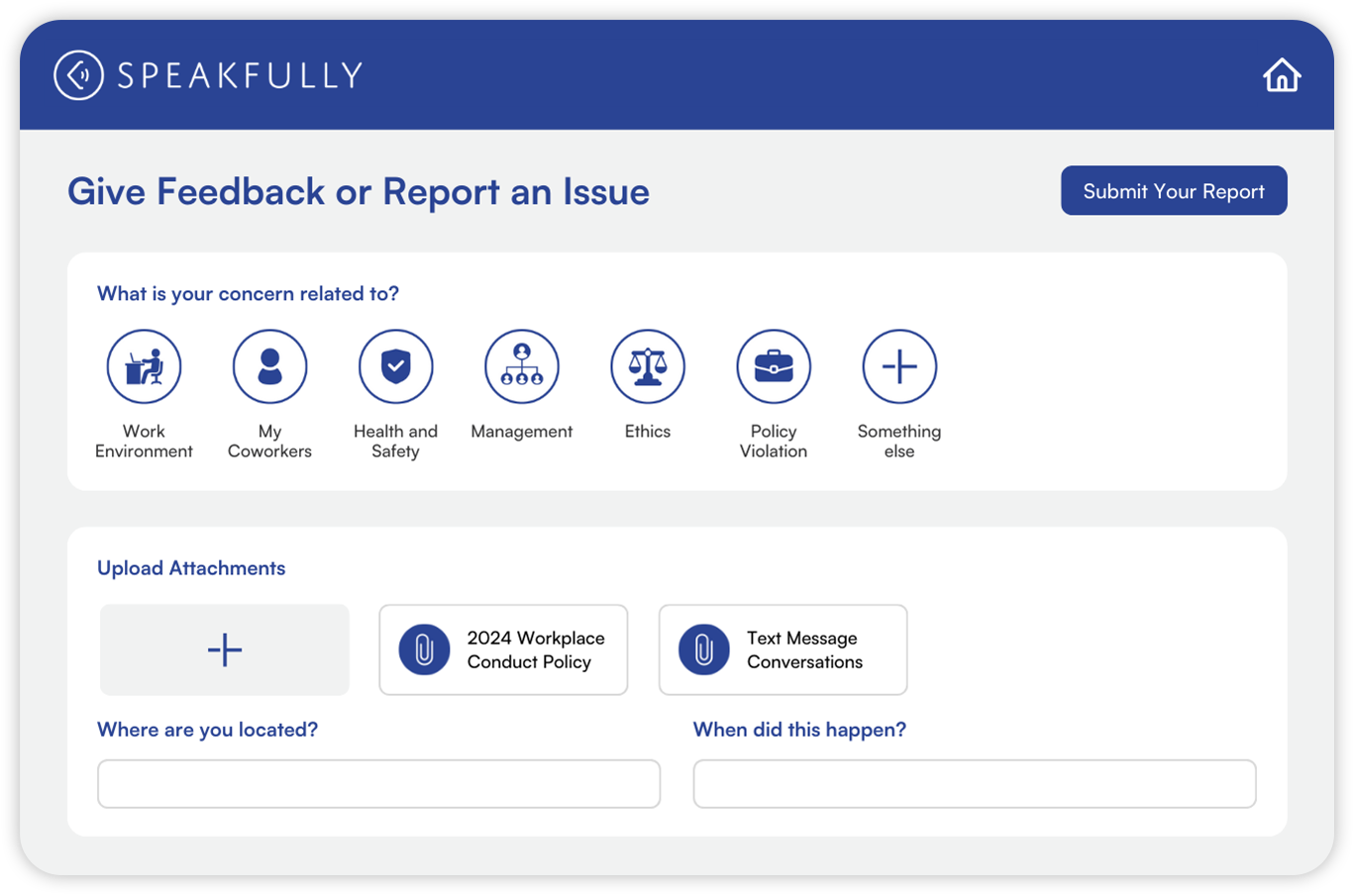
- AI-powered reporting: New tools can flag patterns in reports, emails and chat, helping HR spot problems early. If you’re considering an AI-powered whistleblower hotline, check out HR Acuity’s Speakfully — ranked #1 by G2 for Enterprise Whistleblowing (Fall 2025).
- Anonymous channels: Third-party platforms give employees a safer way to speak up.
- Stronger legislation: New rules and stricter enforcement may pop up in several states.
- Remote work realities: Policies now need to cover both physical offices and virtual spaces.
- Culture-first approaches: Prevention is getting more focus than reaction, emphasizing respect, equity and accountability.
Don’t forget to check out HR Acuity’s HR and Employee Relations AI Software and Anonymous Workplace Reporting Software to see tools that help organizations address harassment proactively — so you can give addressing female harassment in the workplace the attention it deserves.
Actions Employers Should Take Now
- Offer safe, anonymous reporting channels that employees trust. It doesn’t matter if you have a speak-up hotline if no one is using it. Make sure processes are digestible and folks know how to access them when they need to.
- Enforce clear, up-to-date anti-harassment policies. Anti-harassment policies aren’t set-it-and-forget-it. You need to review them regularly — and remind your team that these are the policies under which they’re operating.
- Provide ongoing, interactive training, not just one-off sessions. This helps reinforce that you’re taking female harassment in the workplace seriously and demonstrates what’s unacceptable.
- Empower bystanders to intervene or report. It’s essential that your team members feel comfortable speaking up if they notice something.
- Track metrics and outcomes. With HR case management software, your team can easily showcase the progress it makes in addressing female workplace harassment.
- Support victims with resources and structured aftercare processes. If harassment does occur, it’s not enough to investigate and never check in again. You need to show your people that you care about them — and aftercare is the perfect way to do so.
Combat Female Harassment in the Workplace with HR Acuity
HR Acuity helps organizations tackle harassment head-on:
- Secure reporting channels allow employees to report safely. HR Acuity offers two-way communication for anonymous and named reporters so you can avoid that dreaded “black hole” associated with yesterday’s whistleblower hotlines.
- Investigation management streamlines the process, ensuring fairness, consistency and seamless documentation.
- Analytics highlight trends and risk areas, allowing proactive action. You can also track your team’s progress easily.
Creating safer workplaces isn’t just the right thing to do — it’s smart business.
Start building a workplace where everyone feels safe and valued. Book a demo with HR Acuity today to see how our award-winning employee relations software can help you get the job done.