Resolving conflict in the workplace is one of the most challenging and visible responsibilities HR and employee relations teams face. When employee disagreements go unresolved, they do not stay contained. They affect morale, productivity and trust in leadership. Many organizations struggle with how to manage conflict in the workplace because employee disputes often involve emotion, perception and risk all at once. In other words, this work matters — a lot.
That is why we are here to help answer the question, “How do you resolve conflict in the workplace?” This guide is designed to help you navigate employee disputes with confidence while protecting both employees and the organization. Let’s dive in.
Key Takeaways: Resolving Conflict in the Workplace
- Resolving conflict in the workplace is not about choosing sides. It is about protecting trust, performance and fairness.
- Employee conflict becomes costly when it is ignored or handled inconsistently.
- HR leaders need a structured, documented approach to managing disputes.
- The right follow-up determines whether the conflict is truly resolved or quietly resurfaces.
What Are Common Causes of Workplace Conflict?
Workplace conflict rarely begins with a single dramatic event. More often, it develops over time through small misunderstandings that go unaddressed. When expectations are unclear or communication breaks down, tension builds quietly until it becomes impossible to ignore.
Understanding the most common causes of workplace conflict makes it easier to address issues early, before they escalate into larger, more disruptive problems. By recognizing these triggers as they emerge, HR and people leaders can step in sooner and prevent conflict from growing into a major workplace issue.
Examples of common causes of workplace conflict include:
- Conflicting priorities when employees or teams are accountable for different goals or timelines
- Differences in perspectives shaped by role responsibilities, experience or personal values
- Communication issues such as unclear feedback, inconsistent messaging or lack of transparency
- Assumptions about intent when employees interpret behavior without full context
- Differences in tolerance related to workload, stress or feedback styles
Conflict Related to Personal Beliefs
In 2026, as employees increasingly bring their whole selves to work, people leaders are more likely to encounter conflict rooted in personal beliefs, including differing political or social views. These situations can be especially complex because they often feel deeply personal and emotionally charged. Unlike task-based disagreements, values-driven conflict can quickly escalate if not handled with care.
Addressing these issues requires a different conflict resolution skill set. People leaders must balance respect for individual expression with the need to maintain a professional, inclusive and productive workplace. This means setting clear boundaries, focusing conversations on behavior and impact rather than beliefs and ensuring that all employees feel safe and respected at work.
When HR teams understand these root causes, they are better positioned to intervene early and prevent disputes from escalating.
How Does Employee Conflict Impact the Workplace?
Employee conflict does not stay contained between the people involved. When left unresolved, it affects teams, managers and organizational culture. Over time, even small disputes can undermine trust and confidence in leadership.
Unresolved conflict can result in:
- Increased absenteeism as employees disengage from stressful environments
- Higher turnover as employees leave workplaces where issues are ignored
- Decreased productivity due to distraction and strained collaboration
- Greater risk of formal complaints, investigations or litigation
- Increased pressure for unionization when employees feel unheard
These outcomes demonstrate the importance of resolving conflict in the workplace consistently and responsibly.
Understanding Employee Conflict Management Styles
Employees approach conflict differently. Some avoid it entirely, while others confront it head on. These responses are often influenced by personality, experience and perceived power.
Most conflict management frameworks describe five common styles:
- Avoiding: Involves withdrawing from conflict altogether
- Accommodating: Prioritizes harmony over resolution
- Competing: Focuses on winning the disagreement
- Compromising: Seeks middle ground
- Collaborating: Works toward a shared solution
For a deeper look at how these styles affect employee relations outcomes, readers can explore our blog that dives into which conflict management styles work best in employee relations.
How to Manage Conflicts in the Workplace
That brings us to the core question you’re tasked with answering: “How do you resolve conflict between employees without escalating the situation or appearing biased?” The answer lies in following clear, repeatable steps to resolve conflict at work that prioritize fairness, documentation and accountability.
Meet Separately With Involved Parties
One of the most effective ways to learn how to handle a dispute between two employees is to begin with individual conversations. Separate meetings allow you to gather facts, understand impact and reduce defensiveness before bringing parties together.
- Prepare by reviewing relevant policies and any existing employee relations history
- Create a private and neutral environment where employees feel safe speaking openly — in other words, this isn’t a conversation you want to have in the break room
- Ask behavior-focused questions to understand what happened and how it affected work
- Document facts and timelines consistently to support fair decision-making
This step establishes credibility and ensures the process starts from a place of understanding rather than assumption.
Facilitate an Open Conversation
Once individual perspectives are understood, you can facilitate a joint discussion. This conversation should be structured, intentional and focused on resolution rather than blame.
- Set clear expectations for respectful communication and confidentiality from the get-go
- Keep the discussion centered on behaviors and outcomes, not personal attacks
- Encourage shared accountability by helping employees recognize their role in the conflict
- Define clear agreements and expectations moving forward
This step is essential when applying consistent steps to resolve conflict at work and rebuild working relationships.
Document the Outcome of the Conversation
After the conversation concludes, it is critical to document what was discussed and agreed upon. Documentation ensures clarity, accountability and continuity, especially if issues resurface later or involve additional stakeholders.
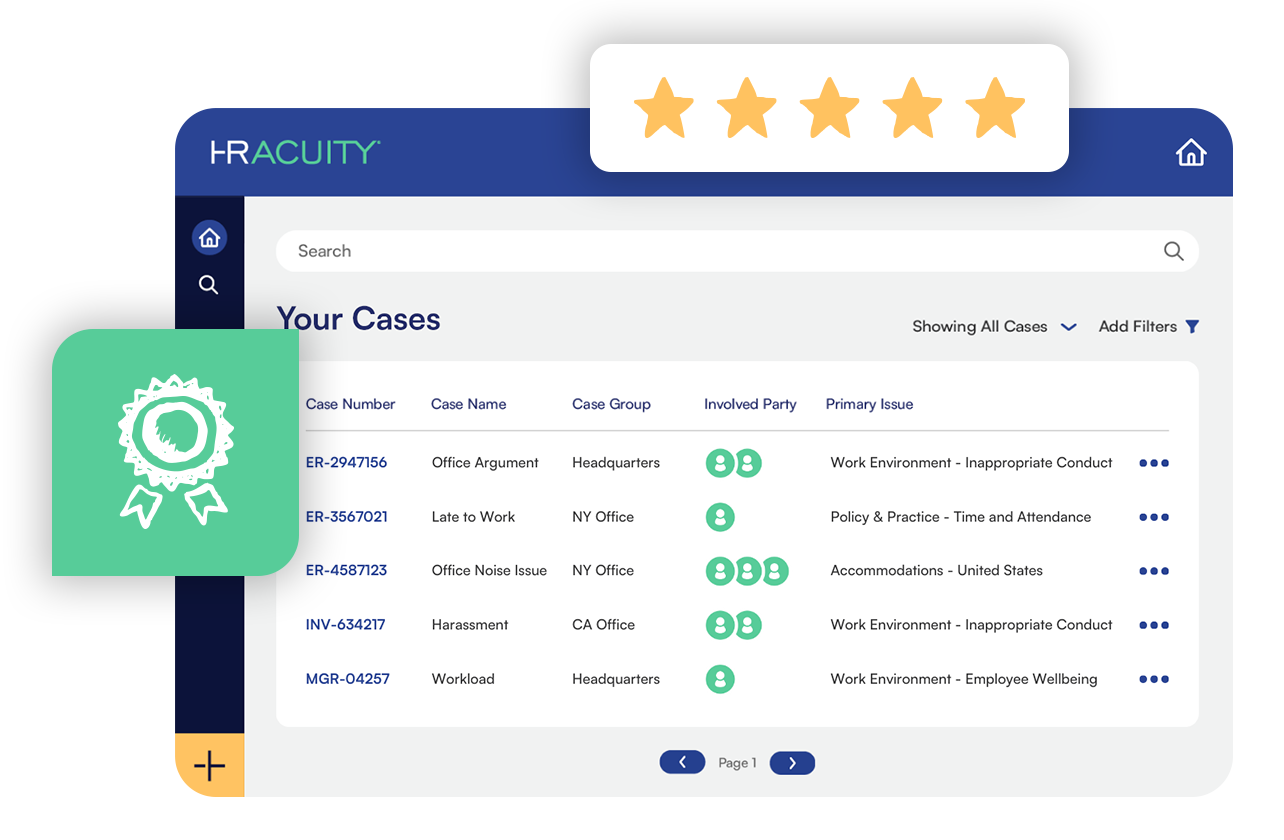
Using your employee relations solution (like HR Acuity!), document the following:
- Key facts about the conflict, including what occurred and when
- Agreements, expectations or commitments established during the conversation
- Next steps, timelines and any planned follow-up actions
Follow-Up for Accountability and Trust Building
Conflict resolution does not end when the meeting concludes. Follow-up is what turns agreement into lasting change.
- Document outcomes, expectations and timelines immediately after the conversation
- Schedule check-ins to assess progress and address lingering concerns
- Reinforce accountability if agreed-upon behaviors do not change
- Monitor for patterns that may indicate deeper issues
Consistent follow-up reinforces trust and shows that resolving conflict in the workplace is taken seriously.
How to Prevent Future Employee Conflicts
Not all conflicts can be avoided, but many disputes can be prevented with early intervention and clear expectations. Organizations that take a proactive approach experience fewer repeat issues and stronger employee trust.
To better manage conflict in the workplace, organizations should:
- Train managers to act as the first point of support for employee concerns (with a people leader solution such as HR Acuity’s managER)
- Set clear expectations around roles, responsibilities and performance
- Encourage regular feedback to address issues before they escalate
- Maintain consistent documentation to identify trends
- Offer employee workplace reporting so team members can speak up before issues intensify
Knowing how to handle conflict with employees before it escalates reduces risk and strengthens workplace culture.
Manage and Track Employee Conflicts with HR Acuity
Resolving employee conflict effectively requires visibility, consistency and defensible documentation. HR Acuity helps organizations manage and track employee conflicts by centralizing reporting, investigations and case management in one secure platform.
With HR Acuity, teams can identify patterns, maintain consistent documentation and support fair investigations while reducing legal and compliance risk.
Read to learn more? See the platform in action by getting a demo today.