
Improving employee relations in the workplace has never been more important. Positive employee relations boosts engagement, fuels productivity, strengthens retention and helps reduce the high cost of turnover — all critical in today’s challenging economic climate.
With many organizations navigating return-to-office mandates, hybrid schedules and fully remote teams, employees are looking for more than flexibility — they want to feel genuinely seen, supported and connected. Culture doesn’t just appear; it has to be actively shaped. Proactive employee relations help ensure every employee feels heard, while also mitigating risk for the organization. Improving employee relations is a win-win…for your people and your organization.
To improve employee relations across your workforce, focus on building positive employee relations and maintaining a healthy, inclusive work environment. Developing effective employee relations, fostering well-being, and staying intentional about the employee experience can help your team thrive — no matter where they work — while keeping your organization protected and resilient.
Key Takeaways: Seven Ways to Strengthen Employee Relations in the Workplace
- As an employee relations professional, the way employees experience your org is in your hands. Build trust and clarity from day one: Establish strong onboarding, transparent communication and clear policies to ensure employees feel supported, informed and valued.
- Invest in growth, recognition and inclusion: Provide training, career development, recognition programs and DEI initiatives to engage employees, strengthen loyalty and reinforce positive workplace culture.
- Support well-being and work-life balance: Offer flexible arrangements, wellness resources and meaningful benefits to reduce burnout, boost satisfaction and improve overall employee relations in the workplace.
1. Start Building Positive Relations with Employees on Day One
Why It Matters: Onboarding sets the foundation for how employees perceive your organization. Establishing clear communication channels and a welcoming environment from day one is a key step in building positive employee relations. It signals that the organization values transparency, encourages feedback and is committed to a healthy work environment — all of which contribute to stronger engagement, retention and overall satisfaction.
What It Can Look Like:
- Make it clear that employees can share ideas and provide feedback at any time.
- Introduce HR as a trusted resource for questions or concerns, and explain the process for raising issues upfront.
- Assign an onboarding buddy to help new hires feel connected and supported.
Scenario: You just hired a new remote employee. Their manager schedules a welcome call, introduces them to team members and walks through key tools and processes. HR shares how to raise questions or concerns, emphasizing transparency and open communication. By the end of week one, the employee feels informed, supported and confident that their voice matters — an early step in how to improve employee relations across your workforce.
2. Establish Clear Workplace Policies and Processes
Why It Matters: Clear policies and processes provide a consistent framework for employees, ensuring everyone understands expectations and knows how to navigate the organization. This reduces confusion, prevents conflicts, and promotes fairness. At the organizational level, it supports compliance, streamlines operations and fosters trust. (All great things!)
What It Can Look Like:
- Create a centralized employee handbook outlining key policies like attendance, remote work, performance evaluations and code of conduct.
- Make policies accessible and easy to understand, using plain language and digital tools such as an online portal.
- Clearly outline procedures for common processes, such as requesting time off, submitting expenses or reporting concerns.
- Regularly review and update policies to reflect changes in laws, organizational goals or best practices.
- Provide training sessions or onboarding materials to ensure employees understand and can follow policies.
Scenario: An employee needs to request remote work for an upcoming family obligation. They consult the clearly documented policy in the online handbook, follow the step-by-step procedure and submit the request to their manager. The manager approves it according to the established process. Because the policy is clear and accessible, the employee feels confident that procedures are fair and transparent, reinforcing trust in the organization’s systems.
3. Promote a Culture of Transparency
Why It Matters: Secrecy breeds distrust, while transparency fosters a culture of trust and psychological safety. When employees feel informed about organizational decisions, changes and challenges, they are more engaged, confident and loyal. No one wants to be the last to find something out, and by building a culture of transparency, you prevent that from happening.
At the organizational level, transparency reduces rumors, increases alignment and signals that the company values openness and fairness — all of which improve employee relations and satisfaction.
What It Can Look Like:
- Share company updates openly, including both successes and challenges, so employees have a complete picture of the organization.
- Communicate changes to policies, procedures or strategy via email and company-wide meetings, ensuring expectations are clear.
- Encourage questions and feedback during these updates to make employees feel heard and valued.
- Establish regular check-ins or town halls where leadership provides updates and invites discussion.
Scenario: A company is implementing a new performance review process. Leadership announces the change in an all-company meeting and follows up with a detailed email outlining the new steps. Employees are encouraged to ask questions and share concerns. By providing clarity and inviting input, employees understand what’s expected, feel included in the process and trust that the organization prioritizes their experience — strengthening overall employee relations.

4. Offer Training That Supports Growth Opportunities
Why It Matters: Offering training and development opportunities signals to employees that the organization values their growth and career progression. When employees see that their company is invested in helping them build skills and advance professionally, it strengthens engagement and loyalty. At the organizational level, supporting career development helps with retention, succession planning and overall workforce satisfaction — key elements in improving employee relations in the workplace. (Psst: This will be especially important as people look to reskill in the face of emerging AI technologies.)
What It Can Look Like:
- Conduct regular one-on-one meetings between managers and employees to discuss career goals, skill development and potential opportunities for advancement.
- Provide professional development programs, workshops or certifications that align with employees’ roles and career aspirations.
- Offer tuition reimbursement or sponsorship for courses and degrees that support organizational needs and personal growth.
- Encourage cross-training or rotational assignments so employees gain exposure to new skills and departments.
- Include training initiatives as part of performance reviews and goal-setting discussions to reinforce their importance.
Scenario: A marketing associate expresses interest in moving into a product management role. Their manager maps out a development plan that includes relevant courses, mentorship opportunities and a rotational project with the product team. The organization supports tuition reimbursement for a certification that aligns with the role. As the employee develops the necessary skills, they feel valued and see a clear path for career growth. This proactive approach strengthens engagement, trust and loyalty — core aspects of improving employee relations in the workplace.
5. Encourage and Celebrate Diversity
Why It Matters: Yes, we know there’s a lot of talk around the future of DE&I right now, but we’re here to reassure you that it’s not going anywhere. Creating a workplace that recognizes and celebrates employee differences fosters a culture of inclusion and respect. This will always be essential. Employees also perform at their best when they feel seen and valued by their employer. At the organizational level, prioritizing diversity, equity and inclusion enhances collaboration, drives innovation and boosts performance. It also plays a crucial role in improving employee relations in the workplace by ensuring fair treatment, reducing bias and building trust between employees and leadership.
What It Can Look Like:
- Encourage the formation of employee resource groups that represent different cultures, identities or communities.
- Plan initiatives and activities around cultural heritage months or observances that celebrate diversity.
- Implement DEI training programs for all employees, focusing on unconscious bias, inclusive leadership and equitable decision-making.
- Ensure fair and transparent practices in recruitment, performance management, compensation and promotions to remove bias and support equal opportunity.
- Make DEI accountability a leadership priority, with executives and HR responsible for embedding inclusive practices throughout the organization.
Want to learn more? Check out our complete guide to improving diversity, equity and inclusion in the workplace.
Scenario: A company forms a multicultural employee resource group and hosts workshops during cultural appreciation months, such as Hispanic Heritage Month and Pride Month. Leadership participates in DEI training and regularly reviews recruitment and promotion data to ensure equitable practices. HR addresses any employee concerns about bias promptly and fairly. Employees see their differences respected and celebrated, feel supported and trust that the organization is committed to inclusion — reinforcing the company’s efforts in improving employee relations in the workplace.
6. Recognize Hard-Working, Dedicated Employees
Why It Matters: Recognition is a powerful driver of engagement and retention. While competitive compensation and benefits are important, employees also want acknowledgment for their hard work, collaboration and contributions. Recognizing performance reinforces positive behaviors, builds trust and strengthens the overall employee-employer relationship. At the organizational level, consistent recognition programs signal that the company values its people, which is a key factor in improving employee relations in the workplace.
What It Can Look Like:
- Encourage leaders to acknowledge employees who consistently perform well, collaborate effectively or exceed expectations.
- Provide a framework or guidelines for managers to deliver recognition, ensuring it is timely, specific and meaningful.
- Offer tangible rewards such as merit increases, bonuses, promotions, career development opportunities or extra time off to demonstrate appreciation.
- Celebrate achievements publicly during team meetings, company-wide communications or recognition events to reinforce a culture of appreciation.
- Use employee recognition programs that allow peers to highlight one another’s contributions, creating a supportive and collaborative environment.
Scenario: A project team successfully completes a high-stakes client deliverable ahead of schedule. The manager highlights each team member’s contributions during a team meeting and sends a personalized note of appreciation. HR follows up with a small bonus and an opportunity for team members to attend a professional development workshop of their choice. Employees feel valued, motivated and confident that their efforts are noticed, which strengthens engagement and supports improving employee relations in the workplace.
7. Support Work-Life Balance
Why It Matters: Employees who can maintain a healthy work-life balance are more engaged, productive and satisfied. Organizations that actively support this balance reduce burnout, absenteeism and turnover, while promoting overall well-being. At the strategic level, policies that prioritize work-life balance show that the company values its employees as people, not just workers — a critical component in improving employee relations in the workplace.
What It Can Look Like:
- Offer flexible work arrangements such as remote work options, flexible schedules or compressed workweeks to accommodate personal commitments.
- Provide accessible wellness programs, including mental health resources, fitness benefits or stress management workshops.
- Encourage managers to model healthy boundaries, such as limiting after-hours emails and respecting vacation time.
- Implement paid time off policies that are easy to understand and generous enough to allow employees to recharge.
- Host regular check-ins where employees can discuss workload, stress levels and work-life challenges with managers or HR.
Scenario: An employee is balancing a demanding project with caring for a newborn at home. Their manager offers a flexible schedule and the option to work remotely three days a week. HR reminds the employee of wellness resources and ensures PTO is easily accessible. The employee can meet deadlines without sacrificing personal responsibilities, feels supported and appreciated, and is more motivated and loyal — strengthening engagement and improving employee relations in the workplace.
Strong Employee Relations Doesn’t Happen By Accident
There are many tactics organizations can use to improve employee relations and engagement. Including these seven strategies in your employee experience toolkit demonstrates that you are serious about creating two-way relationships, open communication and a positive work environment where all employees feel welcome, appreciated and empowered to do their best work.
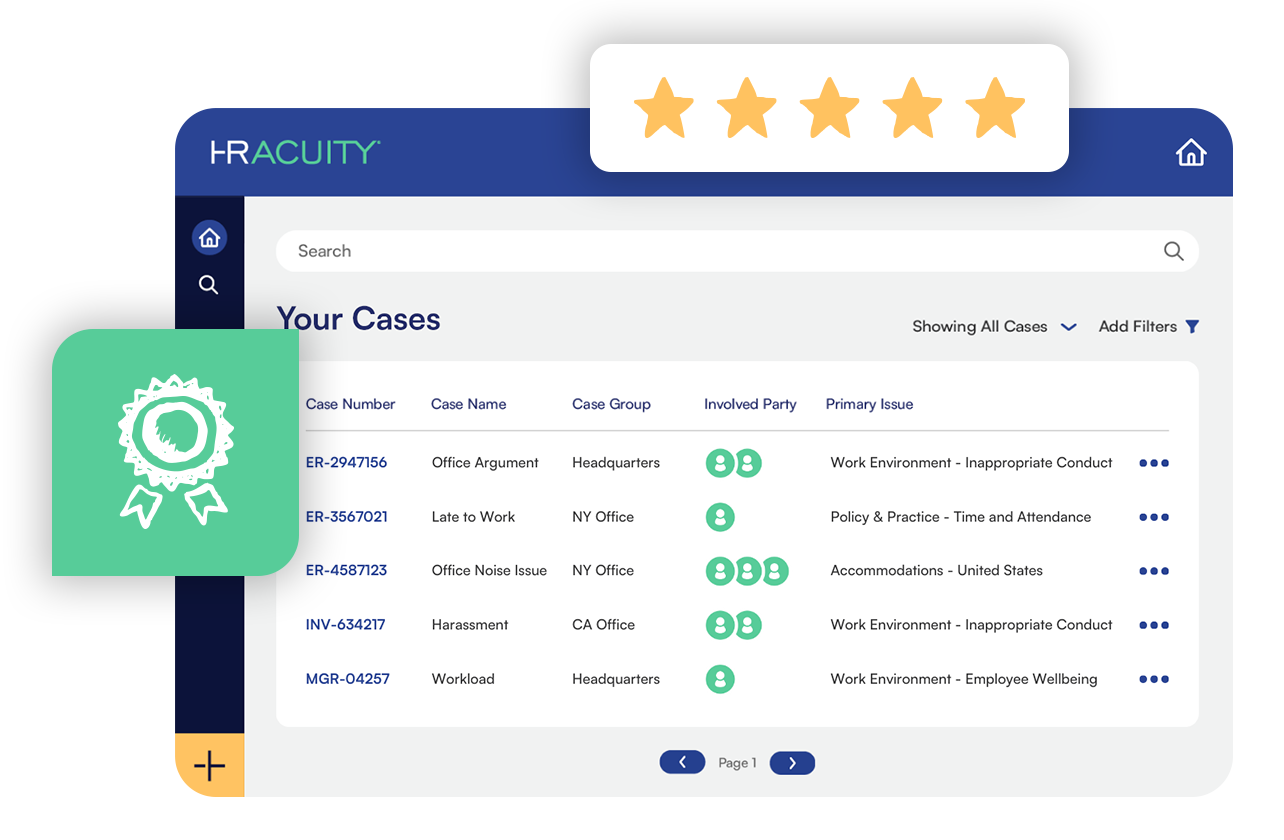
At the core of these strategies is a powerful theme: Consistency. One of the best ways to ensure consistency is by using an HR case management tool (like HR Acuity!). These tools help teams handle cases the right way every time, which demonstrates to your people that you’re serious about employee relations. Ready to learn how HR Acuity can help your team improve its employee relations efforts? Request a demo and see it in action.